
Illustrative image from the Seafort archive.
A practical discussion on hull maintenance
Government representatives from 12 countries joined industry specialists and technology providers in Cape Town, South Africa, for an in-water cleaning demonstration and workshop held on 5–8 October 2026. According to the International Maritime Organization (IMO), the event supported implementation of its Biofouling Guidelines.
Delivered through the IMO–Norad TEST Biofouling Project, the workshop combined technical discussions with live cleaning demonstrations by licensed South African service providers. Participants compared regulatory approaches and considered how approvals, reporting and regional cooperation could support responsible cleaning operations.
Why biofouling management matters
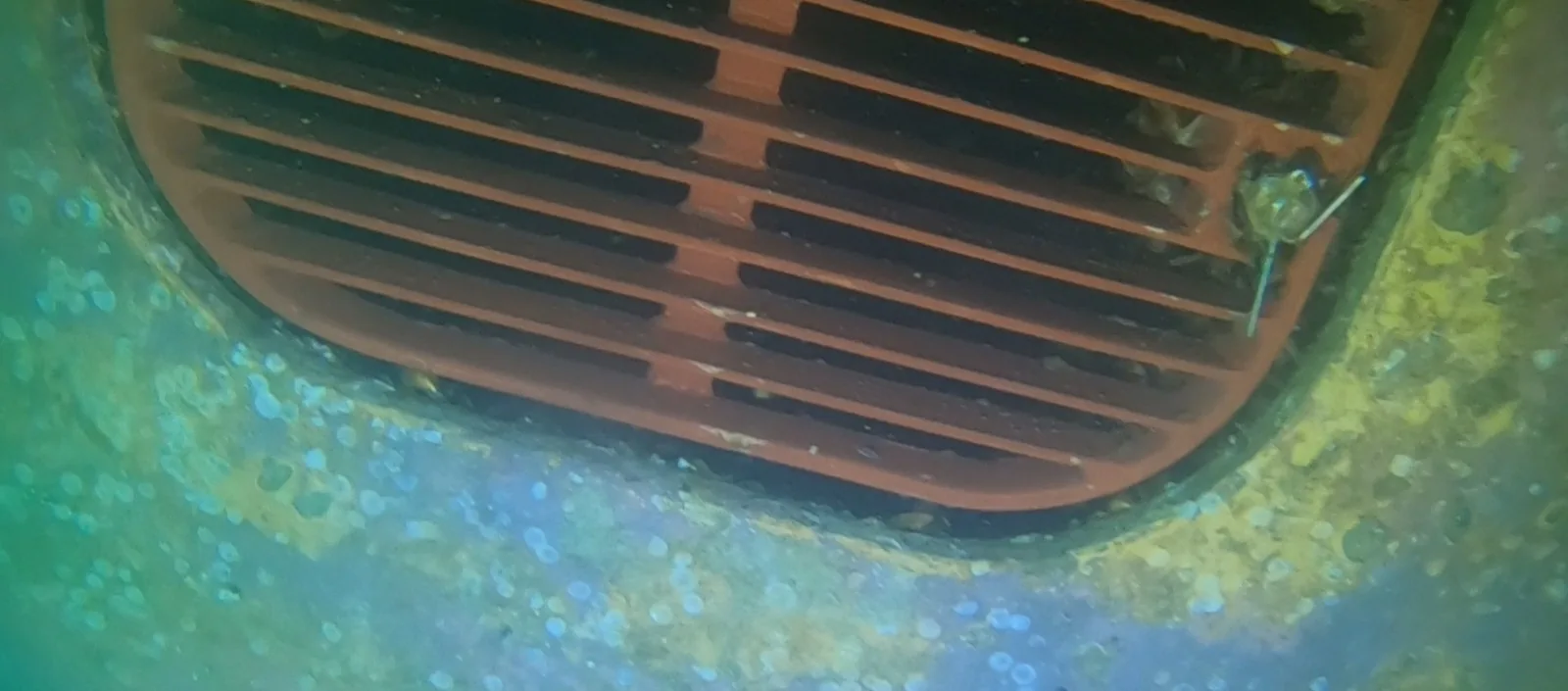
Biofouling is the accumulation of organisms on submerged surfaces. Ships can carry these organisms between locations, creating a risk that invasive species will become established in new environments. IMO also identifies hull fouling as a factor that increases resistance through the water, affecting fuel use and emissions.
Cleaning requires careful planning. IMO notes that in-water methods can damage anti-fouling coatings and release organisms or other material into the surrounding water. Its guidance therefore addresses environmental protection alongside the cleaning task.
The maintenance perspective
For teams reviewing a hull-cleaning proposal, these developments underline the value of checking the surface condition, coating compatibility and local requirements before selecting a method. This is a practical takeaway from the discussion; the workshop report does not establish that one cleaning technology suits every vessel.